Polyurea, explained without the sales pitch
Polyurea is a resin formed when two liquid components react, and the reaction is very fast. In flooring it shows up in three ways: as a roll-on base coat for garage and shop floors, as a semi-rigid filler for joints and cracks, and as a spray-applied liner for containment and waterproofing.
The property that sets it apart is elongation. A cured polyurea film can stretch considerably before it tears, where a typical epoxy is rigid. On a slab that expands and contracts through a hundred-degree annual swing, that flexibility helps the coating stay bonded across hairline cracks instead of splitting along them.
Polyurea is also thin when mixed and wets out concrete aggressively. On a properly ground slab it soaks into the surface and anchors itself, which is where the high adhesion numbers you see in marketing come from.
You will hear a lot of big claims about polyurea, usually some multiple of how much stronger it is than epoxy. Those numbers tend to compare flexibility, not hardness or thickness, and they are not the whole story. What matters is using each resin where it fits. Polyurea makes an excellent base. It is usually finished with a polyaspartic topcoat, because most roll-on polyureas are not UV stable on their own.
What polyurea brings to a floor
- Movement tolerance. It bends with thermal expansion and minor slab movement.
- Deep bond. Low viscosity lets it penetrate the profile left by grinding.
- Very fast cure. Base coats can be recoated within an hour or two, which is what makes one-day floors possible.
- Wide temperature range. It reacts reliably on cold concrete, so installation is not limited to summer.
- Impact resistance. A flexible film absorbs dropped tools and jack stands better than a brittle one.
- Chemical resistance. It holds up to salt, oil, gasoline and most automotive fluids.
The ways we use polyurea
Base coat under flake
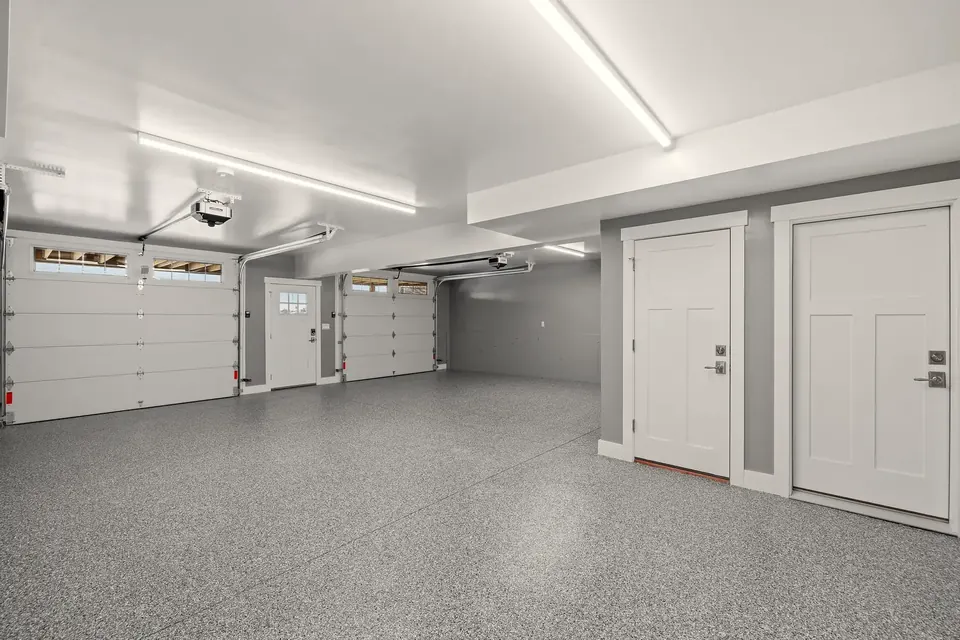
The most common application. A pigmented polyurea base is rolled out, flake is broadcast into it, and a clear polyaspartic seals the floor. This is the standard one-day garage system.
Joint and crack filler
Two-part polyurea filler is installed in sawcut control joints and routed cracks. It cures in minutes, can be shaved flush and supports the joint edges under wheels.
Rapid concrete repair
Polyurea-based mender mixed with sand rebuilds pits and spalls and is ready to grind almost immediately. It is how winter damage at a garage apron gets fixed on the same day the floor is coated.
Industrial coating systems
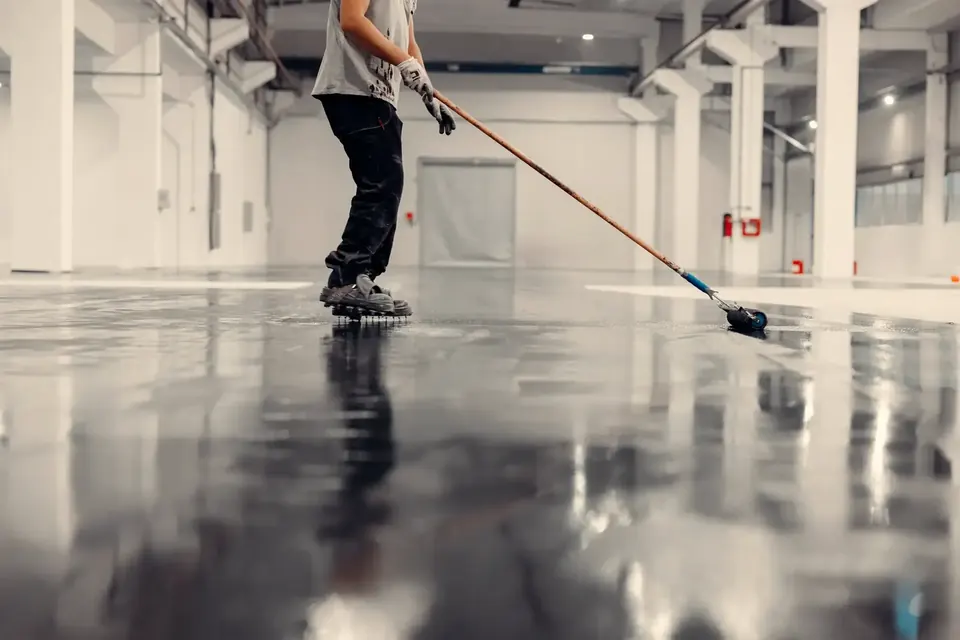
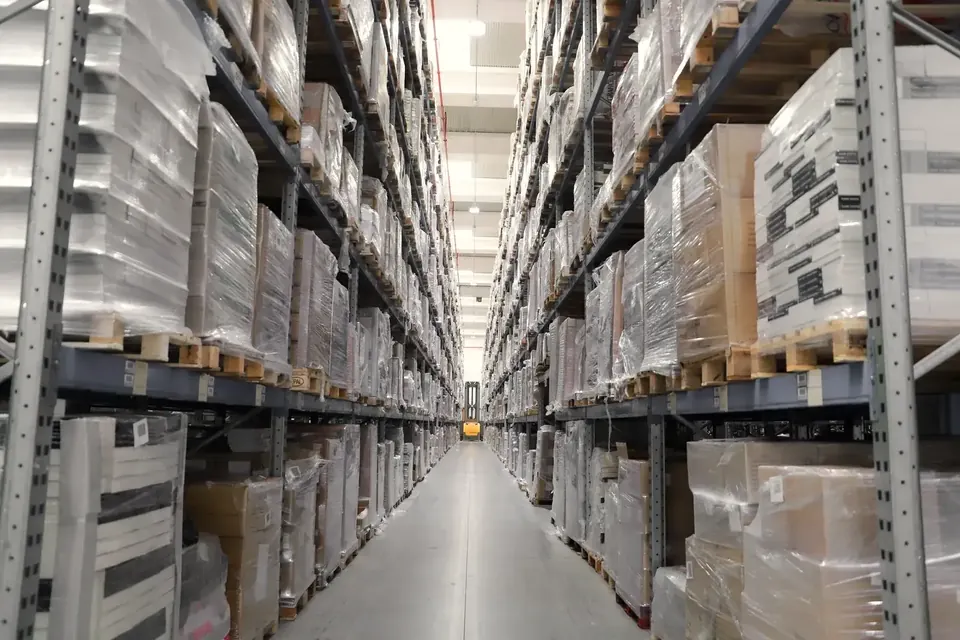
For shops and warehouses that cannot shut down, polyurea base coats with urethane or polyaspartic topcoats bring a bay back into service quickly. See warehouse floor coatings.
Where it fits, and where it does not
Good fits. Residential garages, especially those with hairline cracking or a history of coating failure. Workshops and service bays. Slabs that will be coated in cool weather. Any project where a short timeline matters.
Better served by something else. Very damp slabs, where a moisture-mitigating epoxy primer is a safer first coat. Floors that need a thick, self-leveling build to hide rough concrete. Decorative metallic floors, which depend on slow-curing epoxy to develop their pattern.
We bring this up because polyurea is sometimes sold as the answer to everything. It is an excellent material, and it is one tool among several. A good recommendation starts with the slab, not with the product a contractor happens to stock.
How a polyurea floor is installed
- 01
Evaluate the slab
We check moisture, hardness and existing sealers, and look for cracks that are still active.
- 02
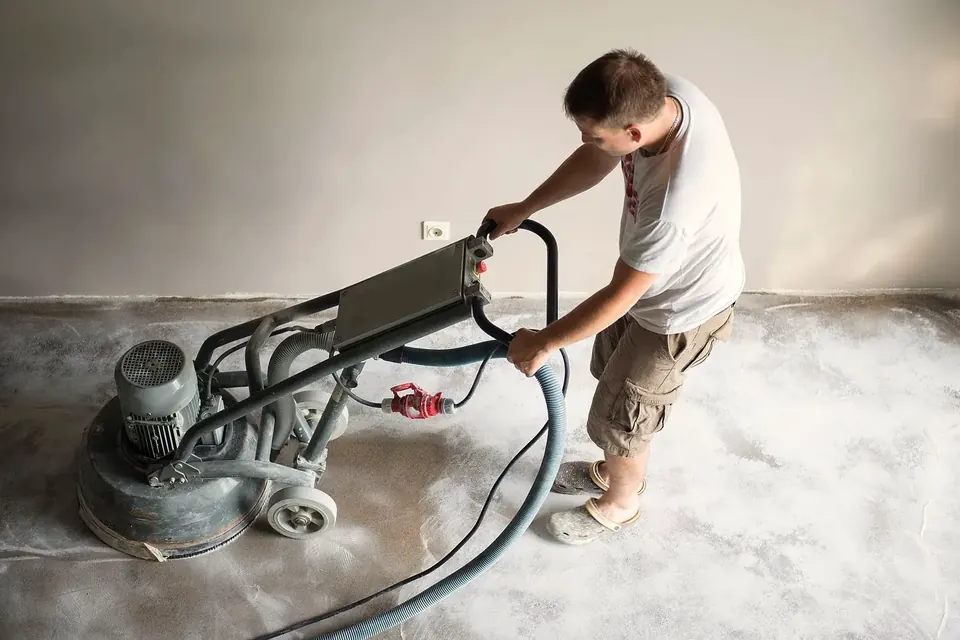
Grind
Diamond grinding opens the concrete so the polyurea can penetrate. Because the resin is thin, a clean, even profile is essential.
- 03
Repair with fast-set materials
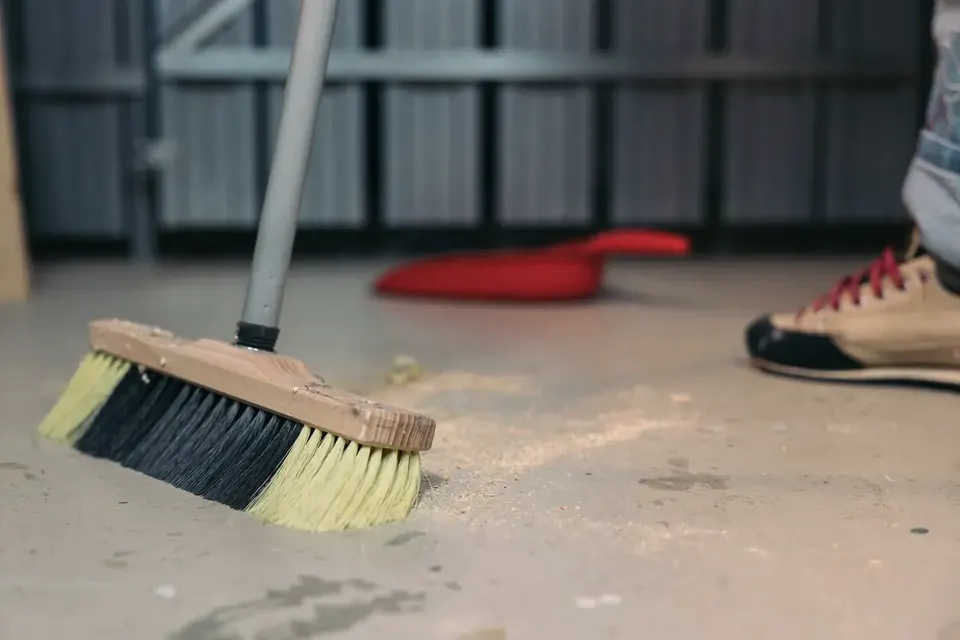
Cracks, joints and pits are filled with polyurea mender and ground flush. These repairs cure in the time it takes to vacuum the floor.
- 04
Roll the base coat
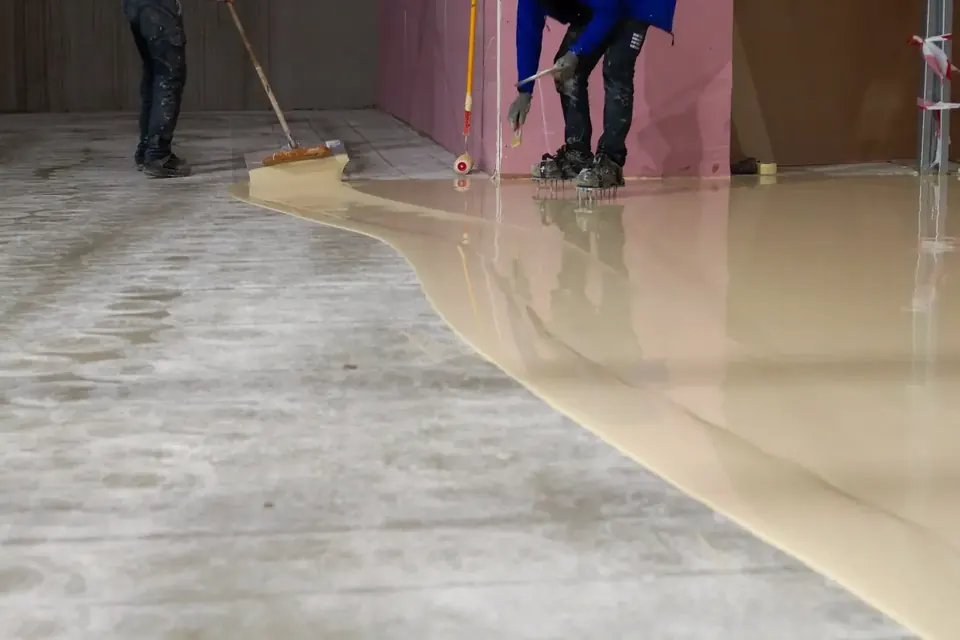
The two components are mixed and applied immediately. The crew works in sections sized to the pot life, keeping a wet edge.
- 05
Broadcast and scrape
Flake or quartz is broadcast into the wet base. After it sets, the excess is removed and the surface is scraped.
- 06
Topcoat
A UV-stable clear coat seals the system. Texture is adjusted with a traction additive if needed.
Why installation skill counts for more with fast resins
A slow epoxy gives an installer time to correct a mistake. Polyurea does not. The material begins to thicken within minutes of mixing, faster on warm, humid days. If the mix ratio is off, if a batch sits too long in the bucket, or if the floor is not ready when the resin is, the result is a soft spot, a visible lap or a section that never bonds.
Getting it right depends on habits more than talent. Materials are stored at a controlled temperature. Mixing is timed. The floor is divided into sections before the first bucket is opened. Every person on the crew has one job.
Moisture is another reason for care. Polyurea reacts with water, and vapor rising through a slab during cure can cause pinholes or bubbles. We test first, and when the numbers are marginal we change the primer instead of hoping for the best.
Why flexibility matters in Waukesha
A garage slab here may see twenty below on a January night and ninety-five in the sun at the door in July. Concrete expands and contracts across that range, and the joints and cracks in it open and close slightly every season. A rigid coating bridging a moving crack has two choices: let go of the concrete or crack along with it.
A flexible base coat has a third option. It stretches a little. That does not make cracks disappear forever, and we will not promise that. But it noticeably reduces the hairline reflective cracking that shows up in brittle floors after a couple of winters.
The same reasoning applies to joints. We fill control joints with semi-rigid polyurea so they can keep doing their job, which is to let the slab move in a controlled place. And because polyurea cures in the cold, repairs and coatings can be scheduled in the shoulder seasons, before salt season starts or right after it ends.
Caring for a polyurea floor and what to expect long term
Maintenance is the same as for any quality resin floor. Sweep out grit, rinse or mop with a neutral cleaner, and squeegee meltwater out in winter so salt does not dry into a crust. The clear topcoat does the day-to-day work of resisting scratches and stains, and the polyurea beneath it provides the grip on the concrete.
Over the years, here is what is normal. The floor will pick up fine surface scratches in the areas where tires turn. A crack that moves seasonally may show as a faint line, even with a flexible base. Gloss will soften slightly in the main walking path. None of that affects the protection the floor provides.
Here is what is not normal: lifting at the edges, bubbles, soft spots or areas where the coating peels cleanly off the concrete. Those point to a preparation or moisture problem, and they are what careful grinding and testing are meant to prevent.
If the topcoat does wear after long service, it can be lightly abraded and renewed. The base coat and flake stay in place, so a refresh is a fraction of the cost and time of the original installation.
Polyurea coating questions
What is the difference between polyurea and polyaspartic?
Polyaspartic is a type of polyurea formulated to cure a bit slower and to be UV stable. In practice, standard polyurea is used as the base coat for its bond and flexibility, and polyaspartic as the clear topcoat for its clarity and scratch resistance.
Is polyurea really stronger than epoxy?
It is more flexible and more impact tolerant. Epoxy is harder and builds thicker. Which is "stronger" depends on what the floor has to resist. For a residential garage in a freeze-thaw climate, flexibility is very valuable.
Will a polyurea floor yellow?
Aromatic polyurea base coats can amber in sunlight if left exposed. That is why they are covered with flake and a UV-stable topcoat. The finished floor does not yellow.
Can it be applied over my old epoxy?
If the existing coating is well bonded, it can sometimes be abraded and recoated. More often, especially with failing floors, we remove the old material and start from concrete.
How soon can I use the floor?
Usually light foot traffic the same day and vehicles within 24 to 48 hours. Cold weather can stretch that slightly, and we give you specific timing.
Does polyurea work for joints in a warehouse floor?
Yes. Semi-rigid polyurea joint filler is a standard choice for protecting joint edges from hard-wheeled traffic, and it cures fast enough to reopen an aisle the same shift.